Introduction
Dance has long been a vital expression of culture, identity, and emotion. Throughout history, each civilization has developed its unique dance forms that encapsulate the essence of their societies. As we embark on this journey through time, we will explore the traditional dances that have not only stood the test of time but also significantly influenced modern dance styles. From the classical ballet of Europe to the rhythmic beats of African tribal dances, each style tells a story and serves as a testament to human creativity and resilience.
In this article, we aim to delve deep into various traditional dances from around the world, examining their origins, characteristics, and how they have shaped contemporary movements. Whether you're an aspiring dancer at a dance academy or simply a lover of movement and rhythm, you’ll find insights that elevate your understanding and appreciation for dance as an art form.
A Journey Through Time - Traditional Dances That Shaped Modern Styles
Dancing is an art that transcends borders and generations. Many traditional dances have formed the foundation upon which modern styles are built. Understanding these roots offers dancers, choreographers, and enthusiasts invaluable insights into current trends.
The Significance of Traditional Dance in Cultural Identity
One may wonder: Why are traditional dances so significant?
Traditional dance serves as a cultural repository; it preserves history and traditions through movement. Each step taken has meaning—reflecting social values, historical narratives, and even spiritual beliefs. It's fascinating to see how these dances evoke a sense of Dance Academy belonging among communities.
The Elements That Define Traditional Dance
Costumes: Often vibrant and culturally significant. Music: Live instruments or traditional songs often accompany performances. Choreography: Moves passed down through generations. Purpose: Celebratory rituals or storytelling.From Folk to Contemporary: How Tradition Influences Modern Styles
Modern dance styles owe much to their predecessors. The fluidity observed in contemporary dance can be traced back to folk dances that emphasize natural movements.
Folk Dance as a Foundation for Modern Choreography
Folk dances like Morris or Flamenco provide a rich palette for innovative choreography today:
- Morris Dance: Characterized by rhythmic stepping and the use of props such as sticks. Flamenco: An expressive style known for its intricate footwork and emotional depth.
These elements are now seen in various contemporary forms like jazz and hip-hop.
The Evolution of Ballet: From Classical Roots to Contemporary Interpretations
Ah! Ballet—a term that evokes images of grace and poise.
Historical Overview of Ballet's Development
Ballet’s evolution began in the Renaissance courts of Italy before flourishing in France:
- French Influence: The establishment of ballet schools formalized training methods. Russian Ballet: Introduced dramatic storytelling through movement with iconic figures like Tchaikovsky.
Modern Ballet's Transformative Impact
Today’s ballet incorporates various influences—jazz techniques blend seamlessly with classical forms—creating new hybrid styles that captivate audiences worldwide.
African Dance: The Rhythmic Essence That Inspires Global Movements
When one thinks about rhythm in dance, African culture immediately comes to mind.
Cultural Contexts Behind African Dance Forms
African dance is not just about movement; it embodies spirituality, community bonding, and storytelling:
- Tribal Dances: Serve ceremonial purposes. Social Dances: Promote unity during communal gatherings.
Influence on Contemporary Genres Like Hip-Hop
Hip-hop draws heavily from African rhythms—showcasing sharp contrasts between fluidity and stiffness—creating an engaging viewing experience.
Asian Traditional Dances: A Symphony of Graceful Movements
Asia boasts an impressive variety of traditional dances—each with intricate stories woven into their fabric.
Exploring Indian Classical Dance Styles
India showcases diverse dance forms such as Bharatanatyam and Kathak:
- Bharatanatyam: Known for its expressive hand gestures (mudras). Kathak: Focuses on storytelling through rhythmic footwork.
These classical styles influence global performers seeking depth in expression within modern choreography.
Latin American Dances: Passionate Expressions Reflected in Movement
When discussing Latin American dances like Salsa or Tango, one cannot overlook their fervent energy!
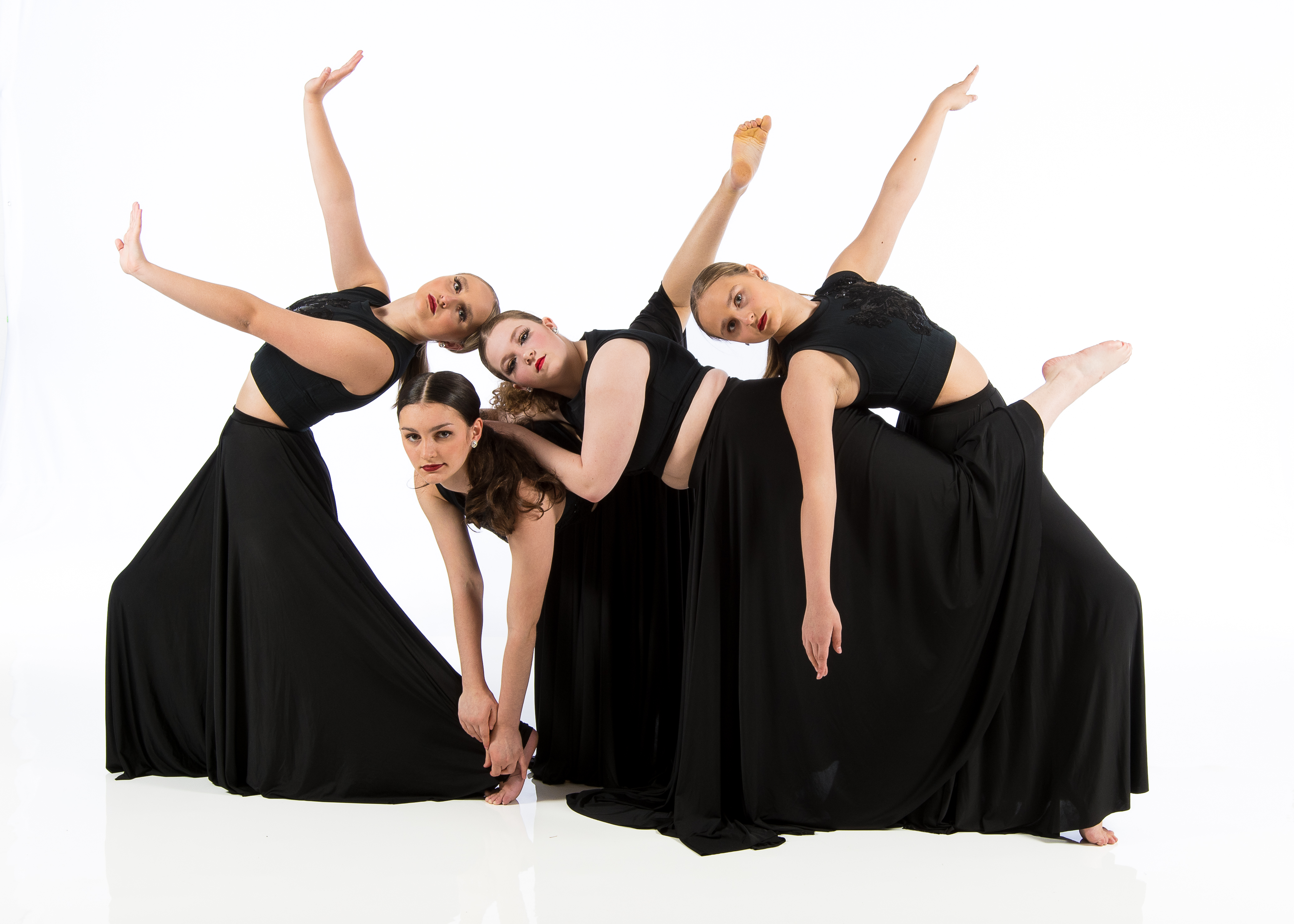
Historical Roots Intertwined with Cultural Narratives
Latin American dances emerged from indigenous practices blended with European influences:
- Salsa: Developed through Afro-Cuban elements mixed with jazz. Tango: Originated among immigrants in Argentina’s port cities—evoking raw emotion through close partner work.
Modern interpretations can be seen in ballroom competitions where these rhythms thrive!
https://www.earthmom.org/sherwood/education/doty-performance-288601Traditional Dances Across Cultures: A Comparative Analysis
Understanding traditional dances necessitates looking beyond individual cultures—after all, many share common threads!
| Country | Traditional Dance | Key Characteristics | |----------------|-------------------|---------------------------| | India | Bharatanatyam | Expressive mudras | | Spain | Flamenco | Intense footwork | | Brazil | Samba | Upbeat rhythms | | Ireland | Irish Step Dance | Rapid leg movements |
This table highlights how diverse cultures can express similar emotions while maintaining unique identities!
The Role of Dance Academies in Preserving Traditional Styles
Dance academies play an essential role in preserving these art forms for future generations. They teach students not just steps but also cultural significance—a holistic approach to learning about movement that respects lineage while encouraging innovation.
Integrating Tradition with Modern Teaching Techniques
Leading academies incorporate technology alongside traditional methods:
- Online classes expanding accessibility. Workshops featuring guest artists who specialize in both traditional forms & contemporary fusion techniques.
Every dancer trained within these walls carries forward the legacy—they become ambassadors for tradition while pushing boundaries creatively!
Pioneers Who Blurred Lines Between Tradition & Modernity
Some legendary figures have successfully merged traditional techniques with modern contexts.
Martha Graham – Revolutionized American dance by incorporating folk elements into her works. Akram Khan – Fuses Kathak heritage with contemporary expressions effortlessly!Their contributions illustrate how honoring past traditions can yield innovative masterpieces today!
FAQs
What is the importance of traditional dance?
Traditional dance serves as a cultural bridge connecting generations—it helps preserve history while allowing communities to celebrate identity through shared movement experiences.
How do modern styles integrate traditional elements?
Contemporary choreographers often draw inspiration from foundational movements found within folk or classical genres—this blending creates something uniquely expressive yet deeply rooted culturally!
Can I learn both modern and traditional styles at a dance academy?
Absolutely! Many reputable academies offer programs encompassing diverse genres—from classical ballet workshops catering beginners up until advanced hip-hop classes designed for seasoned dancers looking sharpen their skills further!
Are there specific benefits tied to studying traditional dance?
Studying traditional forms enhances not only technical expertise but also fosters greater appreciation for cultural nuances behind movements—students gain insight into artistic interpretations while developing personal expression along way!
What should I look for when choosing a dance academy?
Consider factors like curriculum diversity (traditional vs modern), experienced instructors who understand blending styles effectively & student testimonials reflecting positive learning environments fostering growth both artistically personally!
How does understanding history affect my dancing ability?
Knowledge about historical context enriches choreography choices—informed decisions translate into performances resonating emotionally stronger audiences helping achieve impactful storytelling via body language alone!
Conclusion
As we conclude our exploration into “A Journey Through Time - Traditional Dances That Shaped Modern Styles,” it's clear that each step carries profound significance beyond mere entertainment value—it encapsulates human experience across centuries! By bridging gaps between tradition innovation today’s dancers honor legacies while inspiring future generations forge new pathways artistry thriving globally together celebrating diversity expressed rhythmically lives interwoven beautifully throughout cultures forevermore!
In essence, whether you're dancing at home or pursuing your passion at a local dance academy , remember every move tells story—a celebration life itself! Let’s continue preserving these vibrant histories whilst embracing future possibilities unfolding before us on stage every day anew!